RO Chemicals Guide for Industrial RO Water Treatment
This technical guide explains RO chemicals used in industrial RO water treatment systems. It covers RO scale prevention, corrosion control, oxygen scavenging, and sludge conditioning to ensure safe, efficient, and long-term operation. These treatment programs are widely applied in factories, power plants, textile mills, food processing industries, and process plants across Bangladesh.
Back to Home PageRO Water Treatment Chemicals for Industrial Systems
What Are RO Chemicals
RO chemicals are industrial treatment chemicals added to feed water to control scale formation, corrosion, dissolved oxygen, and sludge accumulation inside the system. Proper treatment improves heat transfer efficiency, supports efficiency optimization, reduces energy consumption, and extends system service life.
Why RO Water Treatment Is Critical for Industrial Systems
RO water treatment is essential for safe, efficient, and long-term operation in industrial and commercial plants. Effective treatment ensures scale prevention, corrosion control, improved water quality, and stable energy performance.
Prevents Scale Formation on Membranes
Hardness salts in feed water cause scale formation on membranes. Scale reduces efficiency, increases energy consumption, and leads to membrane damage. RO chemicals ensure effective scale prevention and maintain efficient performance.
Controls RO System Corrosion and Pitting
Dissolved oxygen, carbon dioxide, and improper pH conditions cause corrosion and pitting. Advanced RO chemicals provide reliable corrosion control, protect system components, and extend equipment lifespan.
Improves RO Water Quality
Properly treated feed water ensures stable, high-purity RO permeate. Improved water quality protects RO membranes, pumps, and downstream systems from scaling, fouling, and damage. It enhances system efficiency, extends membrane life, and ensures consistent performance for industrial and process applications.
Lowers RO Maintenance and Downtime Costs
Effective RO water treatment reduces membrane cleaning frequency, scaling, and unplanned system shutdowns. This leads to lower maintenance costs, improved system reliability, and long-term operational efficiency.
Enhances RO Energy Efficiency and Performance
Clean and properly treated RO feed water improves membrane efficiency, reduces pressure drop, and lowers energy consumption. Optimized water quality supports stable system operation, higher recovery rates, and consistent, long-term RO performance.
Technical Overview of Industrial Reverse Osmosis Water Treatment
Industrial reverse osmosis water treatment involves multi-stage pretreatment followed by high-pressure membrane separation to remove dissolved salts, organic compounds, microorganisms, and suspended solids from feed water. Proper system design includes filtration media, dosing systems, and pressure control to protect membranes from fouling, scaling, and chemical damage while maintaining stable flux and recovery rates.
Effective operation requires controlled antiscalant dosing, pH adjustment, and precise pressure management to ensure optimal membrane performance and permeate quality. Continuous monitoring of conductivity, differential pressure, and recovery ratio allows early detection of fouling or scaling conditions. Correct application of RO treatment processes ensures consistent, high-purity permeate, stable system operation, and long-term mechanical integrity of membranes, pumps, pressure vessels, and distribution lines.
Why Industries Choose Professional RO Water Treatment
Professional reverse osmosis water treatment reduces operational risk, improves water recovery efficiency, and lowers total cost of ownership. Industries using optimized RO systems experience fewer membrane fouling issues, stable permeate quality, and predictable maintenance cycles.
A reliable RO treatment program protects critical assets, including membranes, pumps, and pressure vessels, extends equipment life, and supports uninterrupted industrial operation across textile, food, beverage, power, and pharmaceutical industries.
Executive Summary
Reverse osmosis water treatment is essential for producing high-purity water for safe, efficient, and reliable industrial operation. Proper pretreatment and system control prevent membrane scaling and fouling, control biological growth, improve permeate quality, reduce maintenance cost, and enhance overall system efficiency and membrane lifespan.
Frequently Asked Questions About Reverse Osmosis Water Treatment
What processes are involved in RO water treatment
Reverse osmosis water treatment typically includes multimedia filtration, activated carbon filtration, softening, antiscalant dosing, and high-pressure membrane separation to remove dissolved salts, organic matter, microorganisms, and suspended solids from feed water.
Why is antiscalant required in RO systems
Antiscalant prevents scale-forming minerals, such as calcium carbonate and silica, from precipitating on membrane surfaces, ensuring stable flux, reducing fouling, and extending membrane life.
How does membrane fouling affect RO efficiency
Membrane fouling reduces permeate flow, increases differential pressure, lowers salt rejection efficiency, and leads to higher energy consumption and more frequent chemical cleaning requirements.
Which industries require RO water treatment in Bangladesh
Textile mills, food and beverage industries, pharmaceutical manufacturing, power plants, and process industries in Bangladesh require professional reverse osmosis systems for a consistent, high-purity water supply.
Download the Reverse Osmosis Water Treatment Guidebook for Further Research
Carbolabs Corporation shares this reverse osmosis guidebook to support technical learning and informed system operation. The content is based on practical field experience and continuous research into modern membrane-based water treatment practices. This initiative reflects our mission to advance technical understanding across industries, and our long-term vision of researching, adopting, and openly sharing advanced RO water treatment knowledge.
Back to Home Page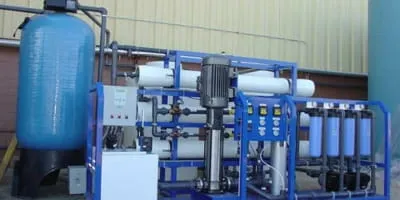
System Failure Analysis
Guide Book Technical Guidebook Reference
Technical reference guide for reverse osmosis systems. This guide covers RO system performance analysis, membrane failure mechanisms, and root cause identification. It supports engineers and plant operators in improving system reliability, water recovery efficiency, and long-term operational performance by addressing scaling, fouling, biofouling, and operational imbalances.
Practical Reverse Osmosis Water Treatment Guide
Scale Corrosion and Oxygen SOLYS Reverse Osmosis Pocket Guide Industrial Technical Reference
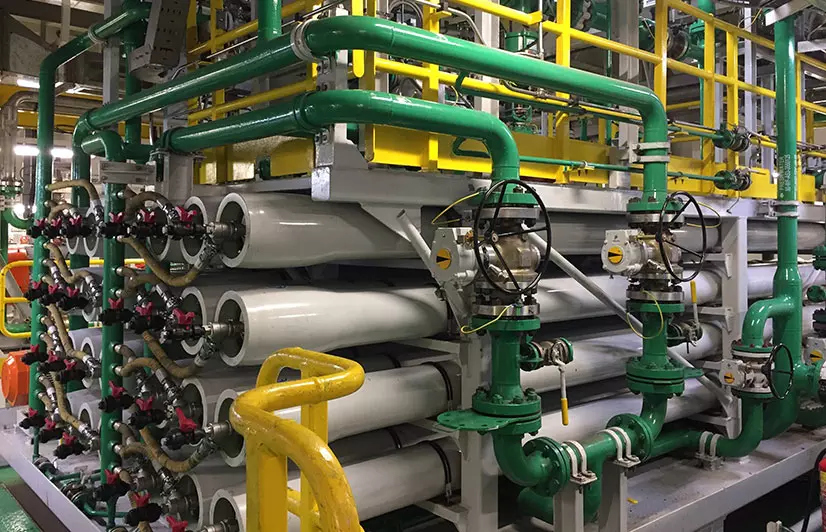
This pocket guide provides a concise engineering reference for reverse osmosis system operation, troubleshooting, and maintenance. It covers key principles of membrane filtration, including pressure-driven separation, recovery ratio, and salt rejection. It helps operators understand how feed water quality directly impacts membrane performance and system efficiency.
Boiler Water Treatment Process
Boiler Water Mangement Industrial Reverse Osmosis Desalination Process
Industrial RO desalination is a controlled, multi-stage process that converts saline feed water into high-purity permeate through membrane separation. It starts with intake and screening, followed by pretreatment such as sediment filtration, activated carbon, and optional softening to remove suspended solids, chlorine, and scaling risks.
Why RO water treatment matters?
Water Chemistry Technical Methods of GE
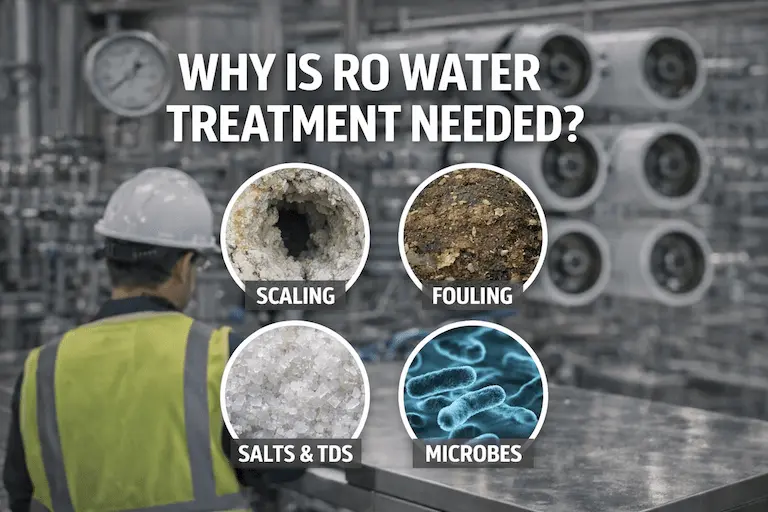
RO water treatment matters because it removes dissolved salts, impurities, microorganisms, and contaminants from water to produce high-purity water. It protects membranes and equipment, improves system efficiency, reduces scaling and fouling, and ensures consistent water quality for industrial and drinking applications.
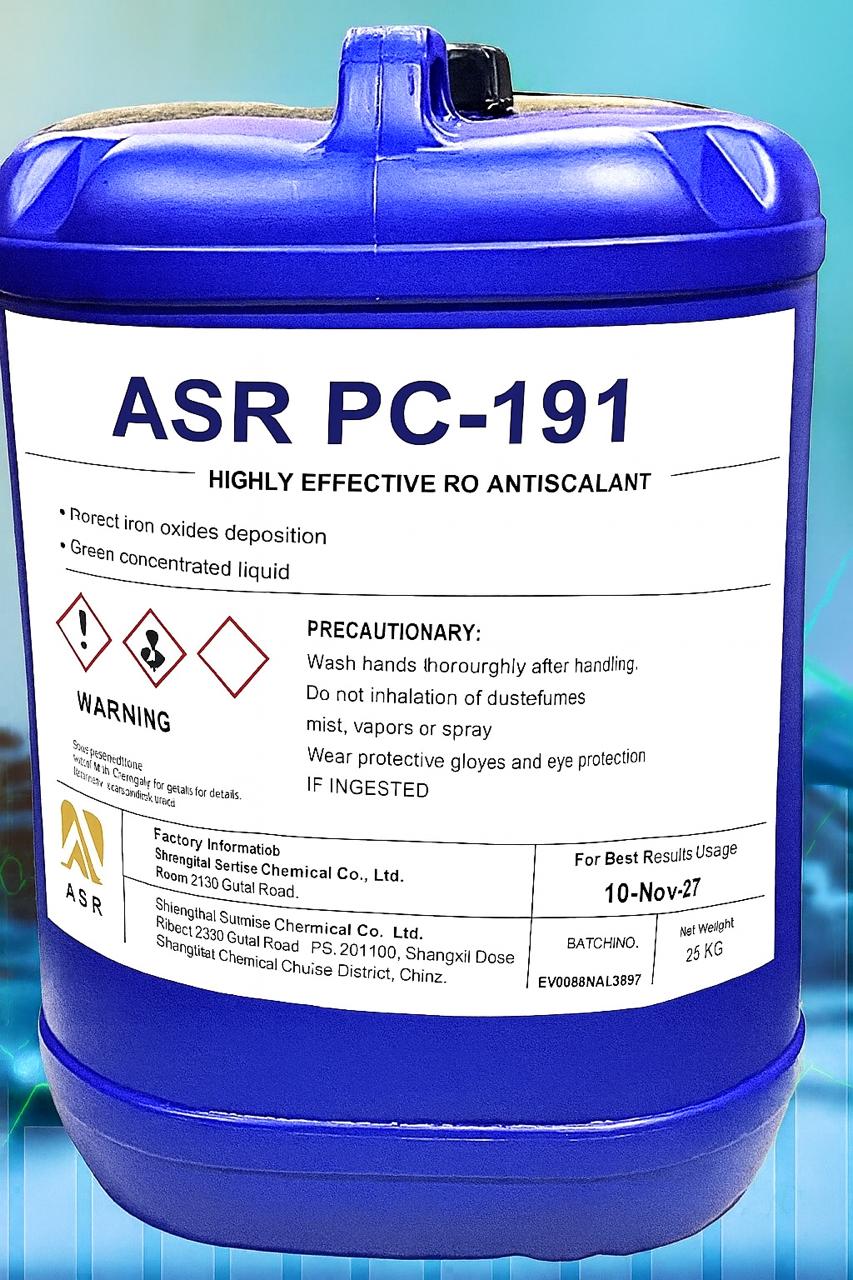
ASR PARMACARE PC 191
RO Treatment Chemical
Advanced formulation for reverse osmosis systems that effectively controls scale formation and prevents fouling on membranes. It improves water flow stability, enhances system efficiency, and extends membrane lifespan, making it suitable for continuous operation in industrial and commercial RO systems.
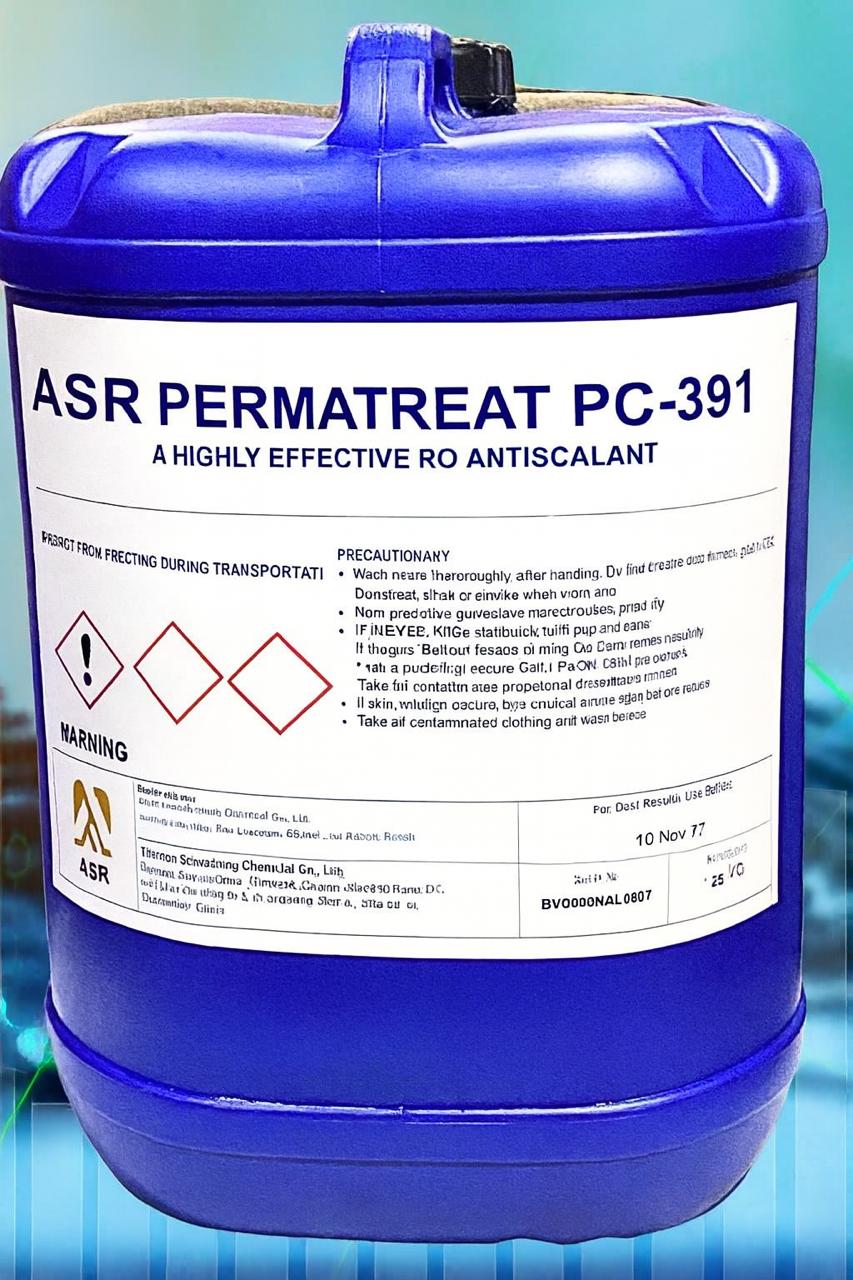
ASR PARMATREAT PC-391
RO Membrane Scale Inhibitor
Highly effective scale inhibitor designed for low-flow RO systems that prevents scale formation, controls mineral deposition, and minimizes fouling on membranes. It enhances water recovery, maintains system efficiency, and supports stable, long-term operation.
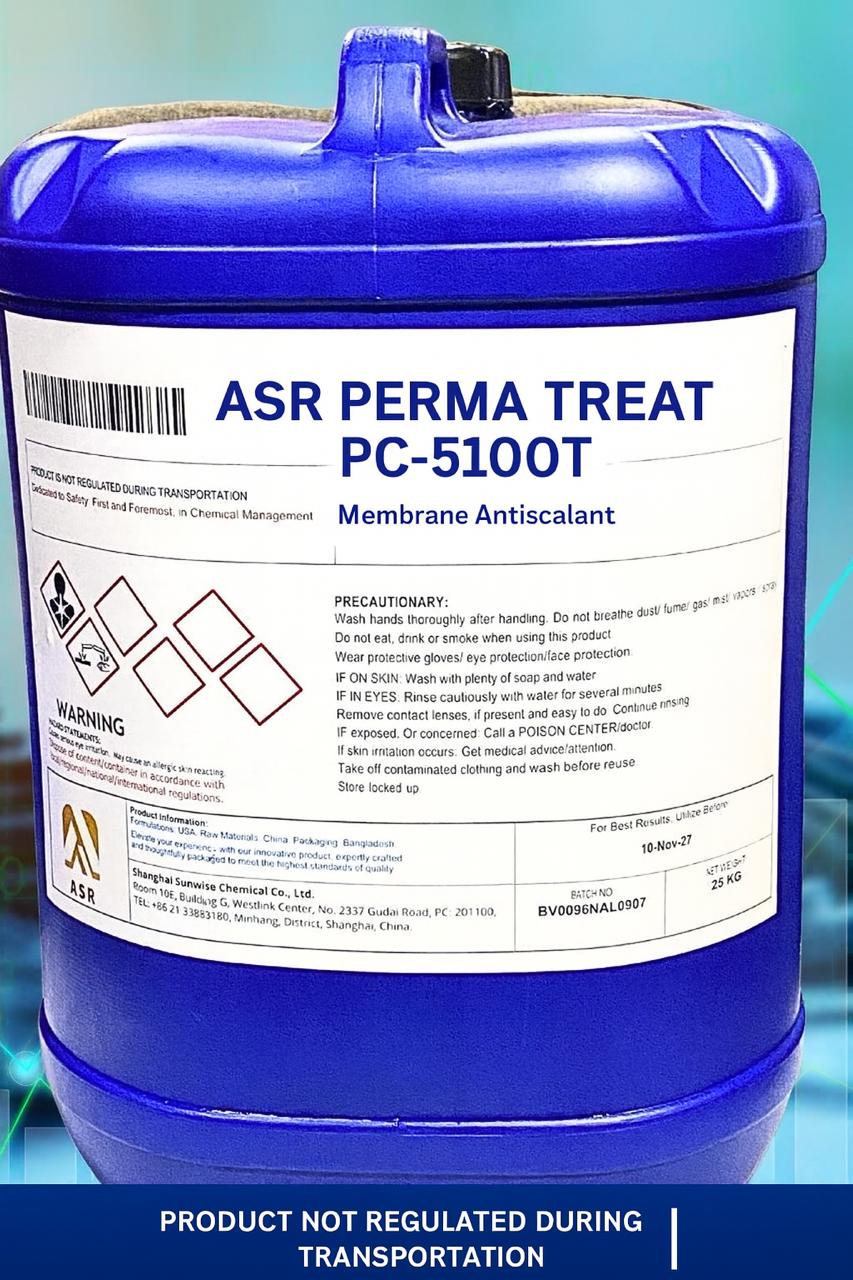
ASR PermaTreat PC-5100T
RO Membrane Antiscalant
High-efficiency antiscalant for reverse osmosis systems, optimized for high-silica feed water. It prevents scale formation and disperses suspended solids, supporting stable membrane operation and improving overall system recovery performance.
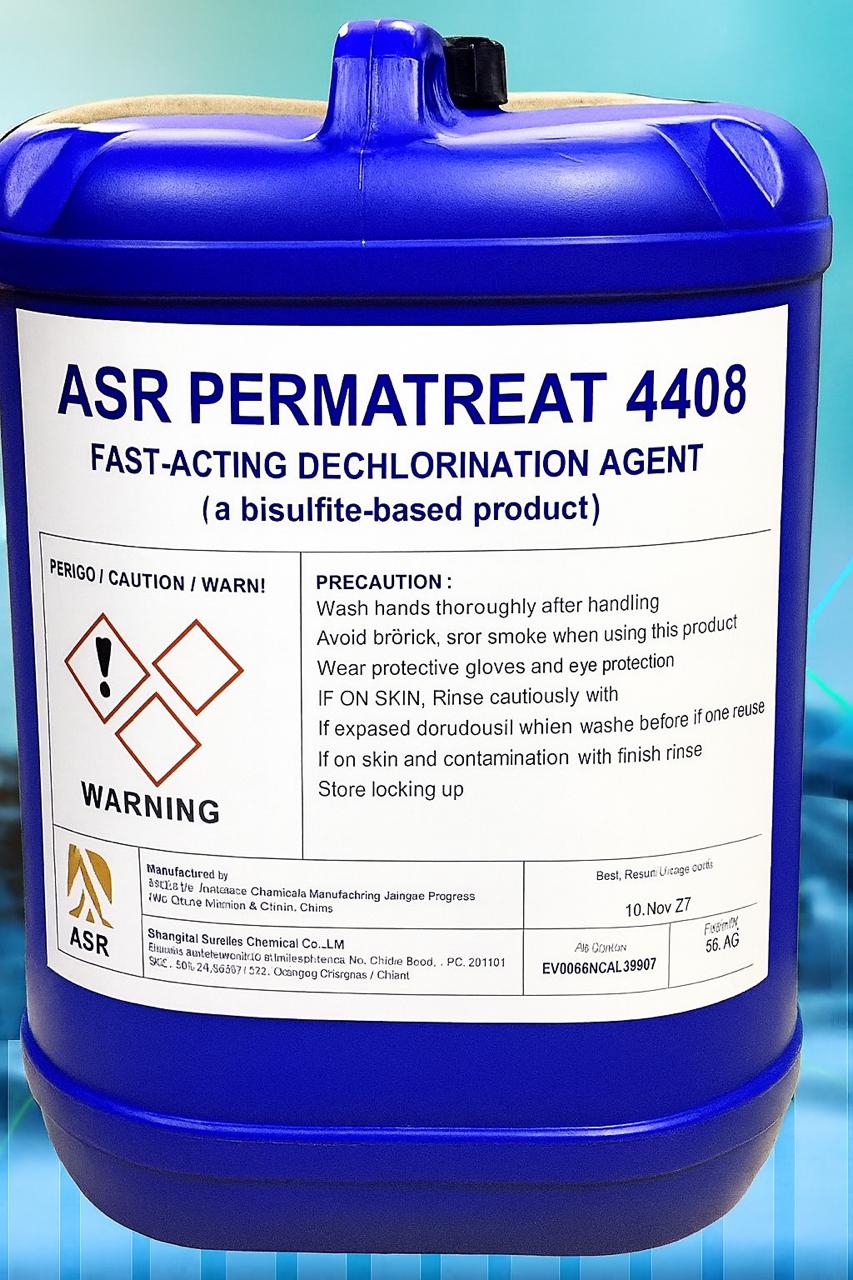
ASR PermaTreat PC-4408
Dechlorination Agent
Fast-acting solution for removal of residual chlorine in water systems. It protects RO membranes from oxidative damage without forming harmful chloramines, ensuring safe operation and consistent water treatment performance.

ASR PermaClean PC-77
RO Membrane Cleaner
Specialized cleaner for reverse osmosis membrane systems that effectively removes iron fouling and metal deposits from membrane surfaces. It restores flux performance and improves system efficiency during cleaning cycles.
ASR PermaTreat PC-5100T
RO Membrane Antiscalant
High-efficiency antiscalant for reverse osmosis systems, optimized for high-silica feed water. It prevents scale formation and disperses suspended solids, supporting stable membrane operation and improving overall system recovery performance.
ASR PermaTreat PC-5100T
RO Membrane Antiscalant
High-efficiency antiscalant for reverse osmosis systems, optimized for high-silica feed water. It prevents scale formation and disperses suspended solids, supporting stable membrane operation and improving overall system recovery performance.
ASR PermaTreat PC-5100T
RO Membrane Antiscalant
High-efficiency antiscalant for reverse osmosis systems, optimized for high-silica feed water. It prevents scale formation and disperses suspended solids, supporting stable membrane operation and improving overall system recovery performance.