Industrial Water Treatment Resource Center
Practical, engineering-grade articles and downloadable guides on boiler and cooling tower water treatment for plant engineers and procurement teams across Bangladesh.
Back to Home PageBoiler System
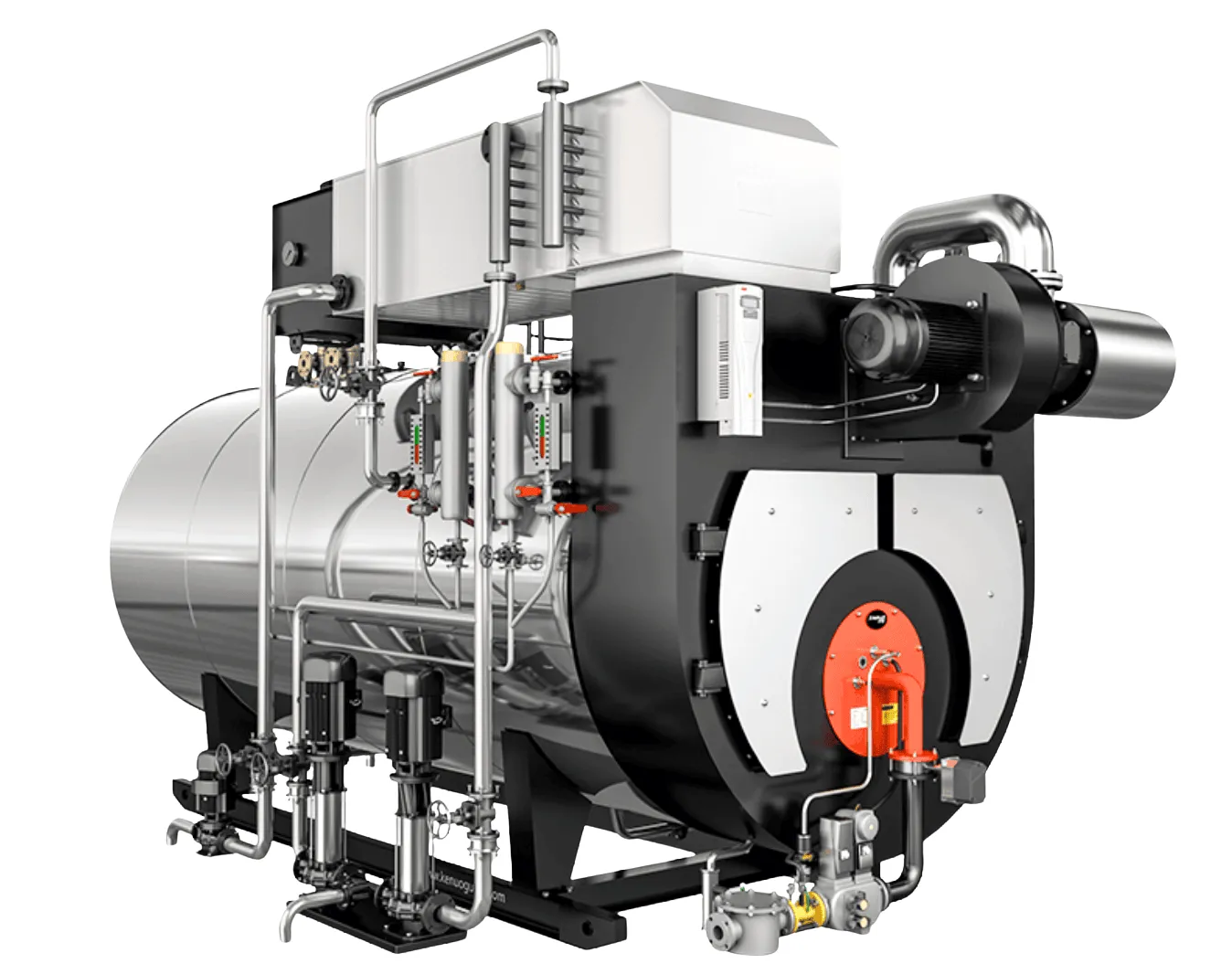
Boiler Blowdown: Complete Guide to Control, Calculation, and Best Practices
How surface and bottom blowdown actually work, how the correct rate is determined, and the automated and manual control practices that keep TDS, carryover, and heat losses under control.
Read Article →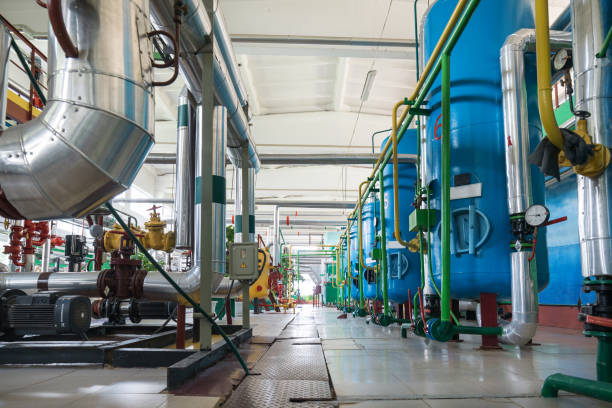
Boiler Chemical Dosing Guide
How continuous and batch dosing actually work, how to size and calibrate dosing pumps, and the daily testing habits that turn a good boiler chemical into a reliably effective treatment program.
Read Article →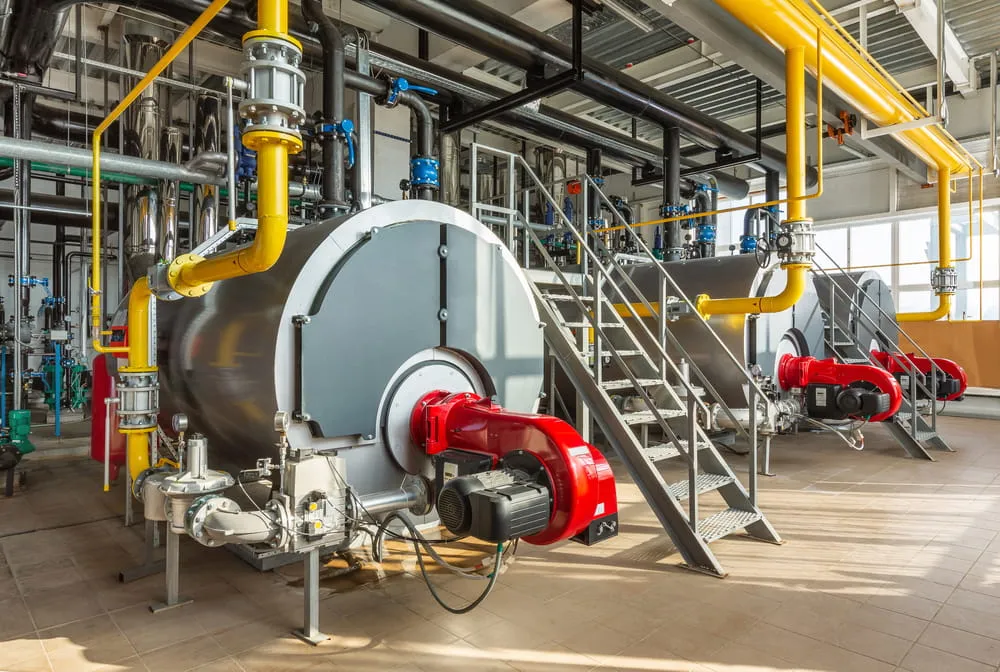
Complete Guide to Boiler Water Treatment Chemicals
A practical engineering overview of why boiler water treatment matters, the failure mechanisms it prevents, and how oxygen scavengers, scale inhibitors, dispersants, and alkalinity builders work together to protect industrial boilers.
Read Article →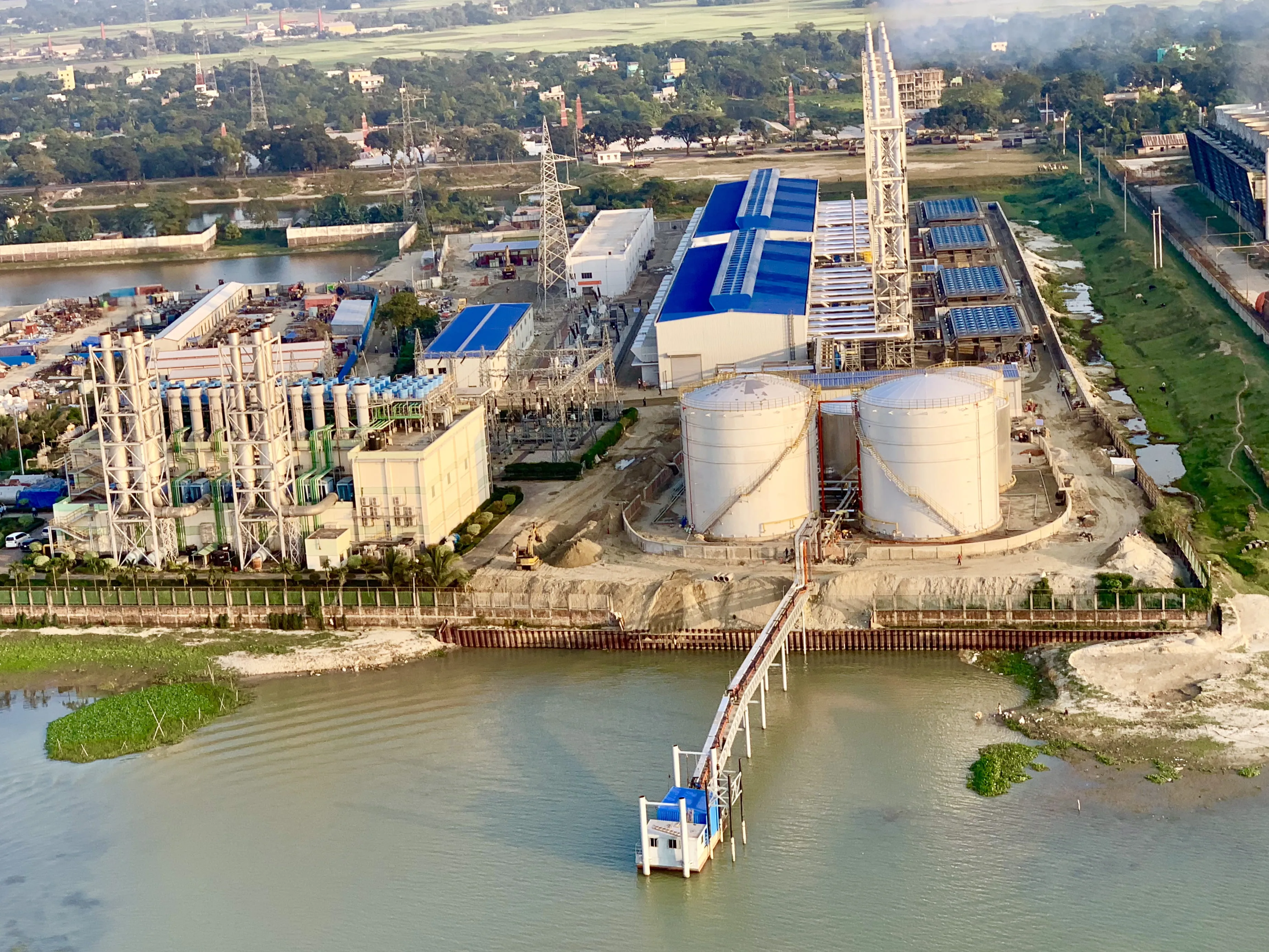
Condensate Return System Corrosion Control
Why condensate piping corrodes despite being the purest water in the system: carbonic acid and oxygen attack explained, and the amine treatment and testing program that controls both.
Read Article →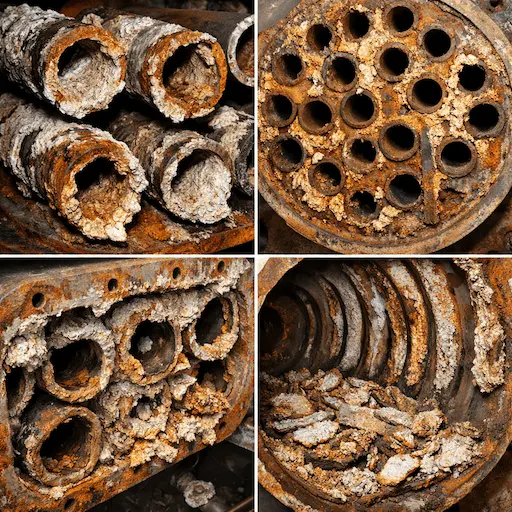
How to Prevent Boiler Scale and Corrosion
A focused look at how boiler scale and corrosion actually develop, from hardness salts and dissolved oxygen to carbonic acid in condensate lines, and the mechanical and chemical steps that prevent them.
Read Article →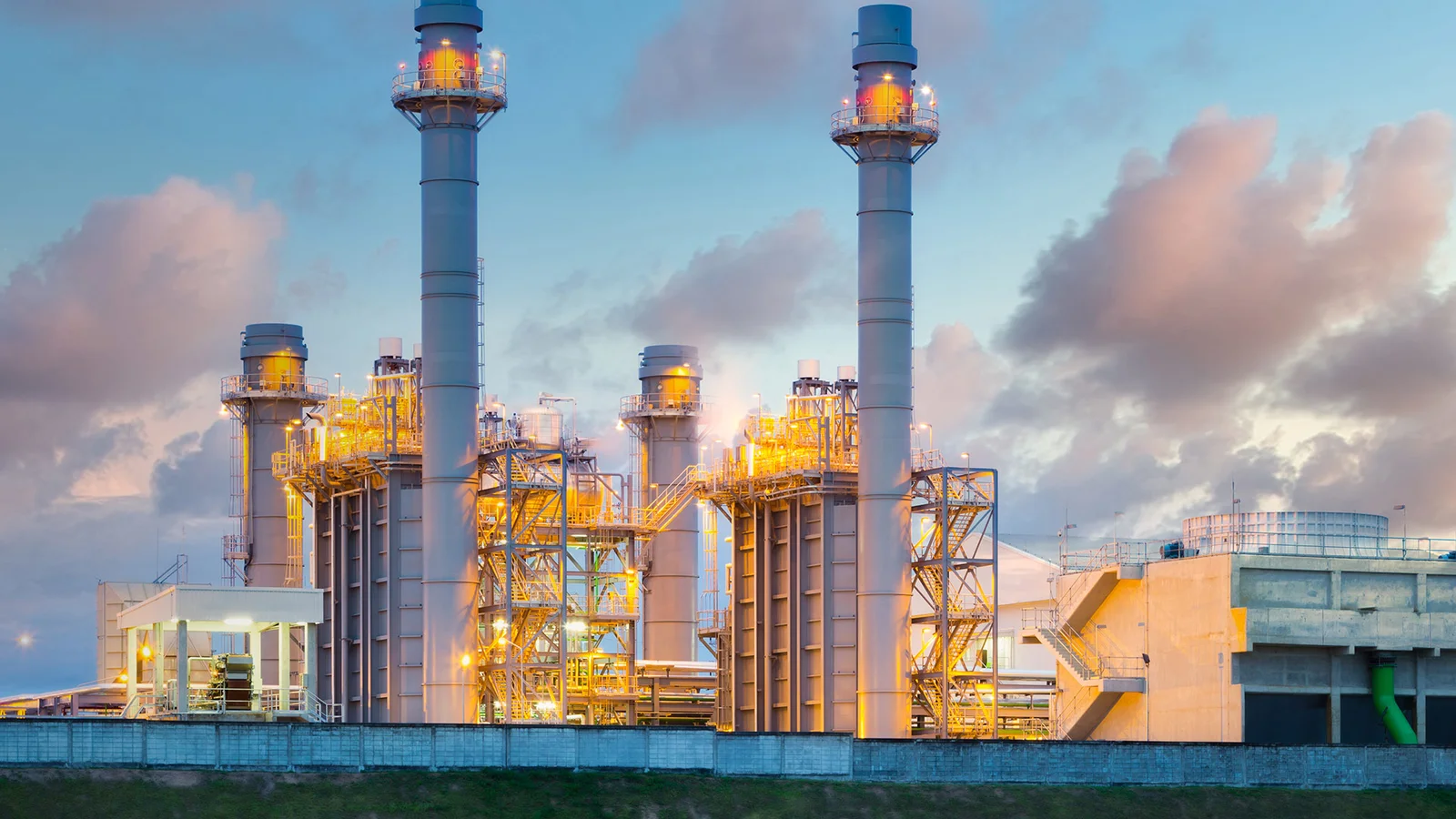
Top Signs Your Industrial Boiler Needs Water Treatment Immediately
Rising fuel bills, poor steam quality, scale, rust-colored water, tube overheating, and other warning signs that indicate your boiler's water treatment program needs urgent attention.
Read Article →Cooling Tower
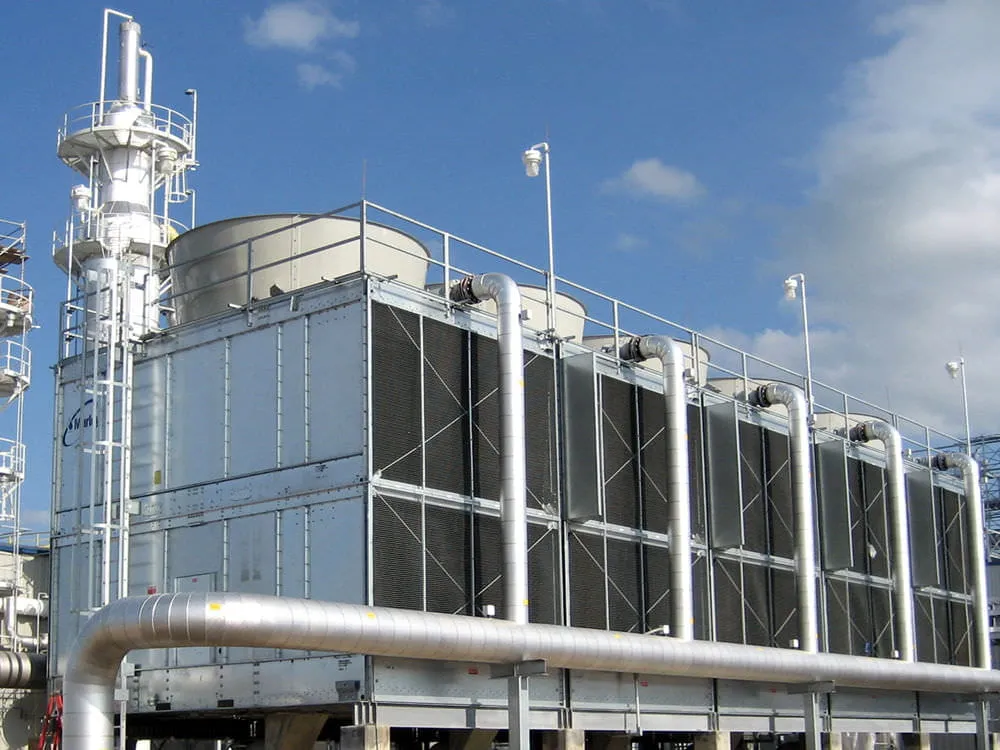
Complete Guide to Cooling Tower Water Treatment Chemicals
A practical engineering overview of how cooling towers work, the scale, corrosion, and biofouling risks that come with their open evaporative design, and how scale inhibitors, corrosion inhibitors, biocides, and biodispersants work together to protect them.
Read Article →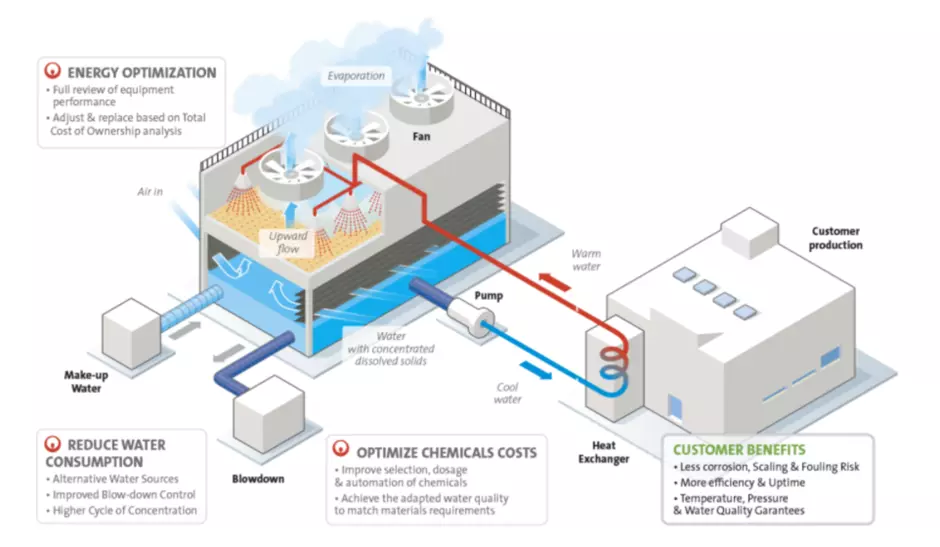
Cooling Tower Chemical Dosing Guide
How continuous, shock, and coordinated biodispersant dosing actually work in a cooling tower, how to size and calibrate dosing pumps, and the testing routine that keeps the program reliable despite a constantly shifting water balance.
Read Article →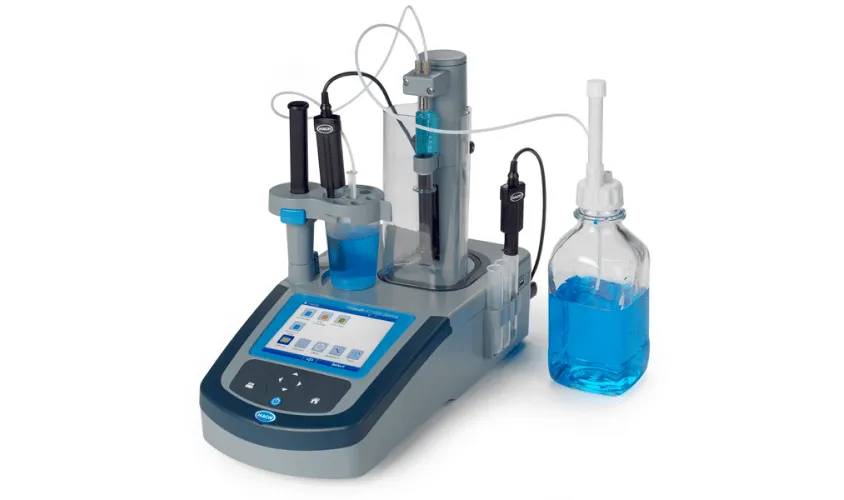
Cooling Tower Water Balance, Cycles of Concentration & Blowdown Optimization
How evaporation, drift, and blowdown make up a cooling tower's water balance, how cycles of concentration is calculated, and how to safely optimize blowdown for real water and chemical savings.
Read Article →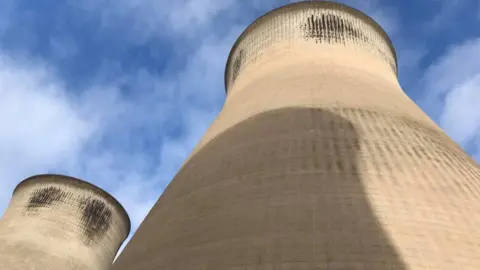
How to Prevent Scale, Corrosion, and Biofouling in Cooling Towers
A focused look at how cooling tower scale, corrosion, and biological fouling actually develop, from calcium carbonate and silica scale to galvanic corrosion, algae, slime, and biofilm, and the mechanical and chemical steps that prevent all three together.
Read Article →
Legionella Prevention and Risk Management in Cooling Towers
Why cooling towers are a recognized Legionella risk factor, how biofilm shelters the bacteria from biocide control, and the testing, mechanical maintenance, and documentation program that manages that risk.
Read Article →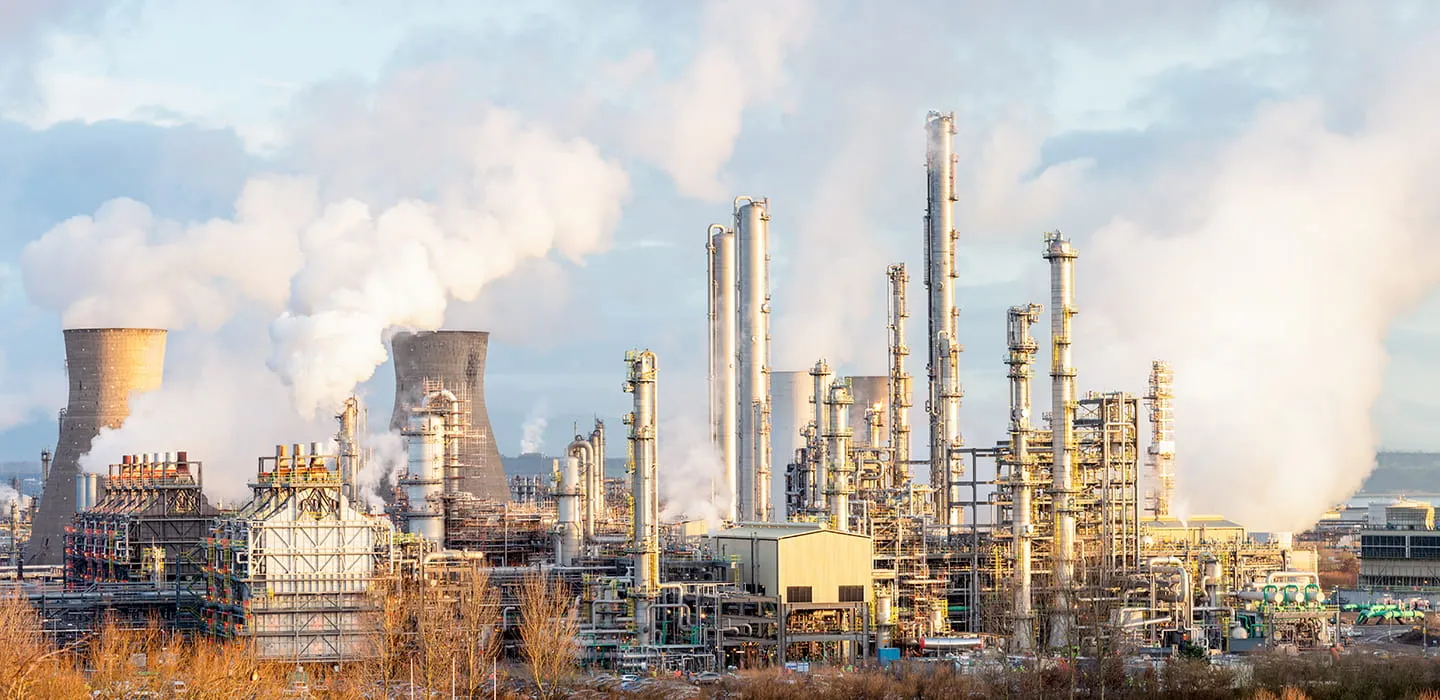
Top Signs Your Cooling Tower Needs Water Treatment Immediately
Scale deposits, rust, algae growth, slime, reduced cooling efficiency, and other warning signs that indicate your cooling tower's water treatment program needs urgent attention.
Read Article →RO System
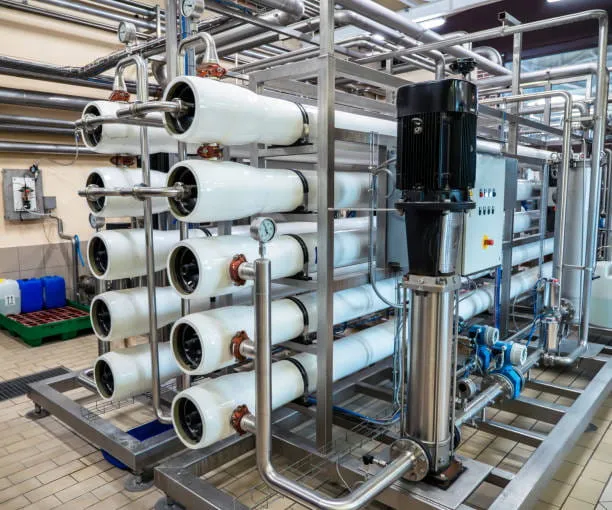
Complete Guide to Reverse Osmosis (RO) Water Treatment Systems
How RO membranes work, the components of a complete industrial RO system, and the feed water, pretreatment, and monitoring practices that keep one running reliably.
Read Article →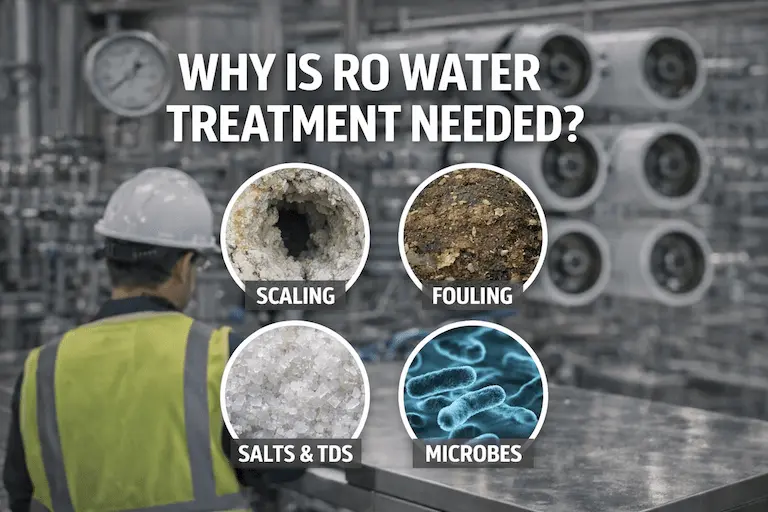
How to Prevent RO Membrane Fouling, Scaling, and Biofouling
The distinct causes of RO membrane scaling, particulate and organic fouling, and biofouling, and the pretreatment, dosing, and monitoring practices that prevent each one.
Read Article →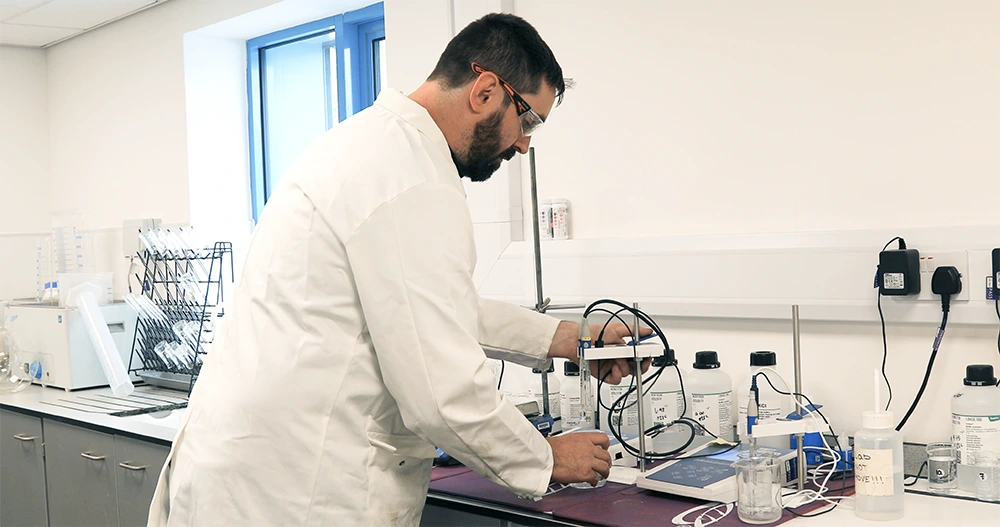
RO Antiscalant Chemical Dosing Guide
How antiscalants prevent membrane scaling, how dosing pumps and injection points should be set up and verified, and the common mistakes that cause dosing programs to fail.
Read Article →
RO Membrane Cleaning (CIP) Procedures: A Step-by-Step Guide
How to identify when RO membrane cleaning is needed, select the right acid or alkaline chemistry, run a correct CIP cycle, and verify the cleaning actually worked.
Read Article →
RO Reject (Concentrate) Water Management and Disposal Guide
How RO reject water volume and concentration are determined by recovery rate, the common disposal methods available, and the regulatory and planning considerations each requires.
Read Article →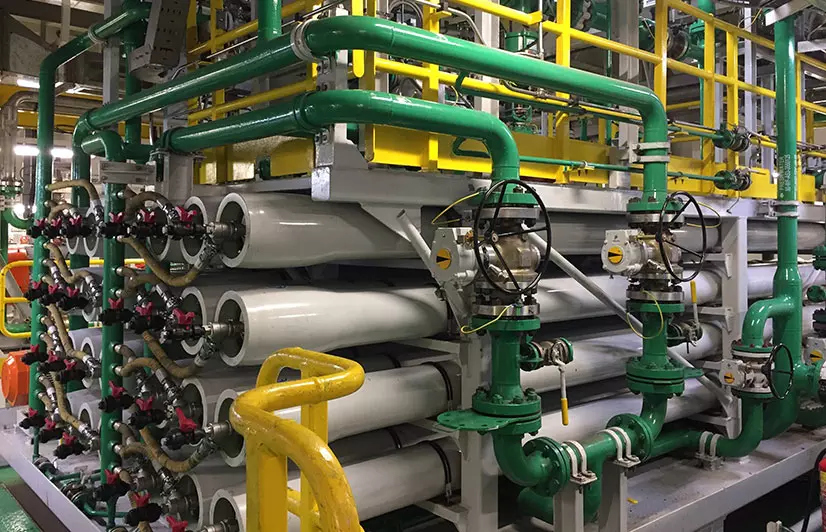
Top Signs Your RO System Needs Immediate Maintenance
The operating and physical warning signs (declining flow, rising pressure, higher conductivity, and more) that signal an RO system needs maintenance before a costly failure occurs.
Read Article →