Waste water and STP Treatment Chemicals Guide for Industrial Water Treatment
This technical guide explains treatment chemicals used in industrial effluent treatment plant (ETP) and sewage treatment plant (STP) systems. It covers coagulation, flocculation, pH control, biological treatment support, and sludge conditioning to ensure safe, compliant, and long-term wastewater management. These treatment programs are widely applied in textile industries, food processing plants, pharmaceuticals, and industrial facilities across Bangladesh.
Back to Home PageWastewater Treatment Chemicals for Industrial ETP and STP Systems
What Are Wastewater Treatment Chemicals
Wastewater treatment chemicals are specialized products added to effluent and sewage streams to remove suspended solids, neutralize pH, control odors, and support biological treatment. Proper dosing improves clarification, reduces pollution load, and ensures compliance with environmental discharge standards.
Why Wastewater Treatment Is Critical for Industrial Plants
Wastewater treatment is essential for protecting the environment, maintaining regulatory compliance, and ensuring sustainable industrial operation. Effective treatment ensures pollution control, efficient solids removal, and stable system performance.
Prevents Pollution and Environmental Damage
Untreated wastewater contains harmful chemicals, heavy metals, and organic pollutants. Treatment chemicals ensure effective pollutant removal and protect rivers, soil, and groundwater from contamination.
Improves Solid Liquid Separation
Coagulants and flocculants help bind fine particles into larger flocs, making it easier to separate solids from water. This improves sedimentation efficiency and reduces turbidity in treated water.
Controls pH and Chemical Balance
Wastewater often contains extreme pH levels that affect treatment efficiency. pH control chemicals stabilize water chemistry and create optimal conditions for treatment processes and biological activity.
Supports Biological Treatment Efficiency
In STP systems, treatment chemicals support microbial activity by maintaining proper oxygen levels, nutrients, and environment for bacteria. This ensures effective breakdown of organic matter and reduces BOD and COD levels.
Lowers Maintenance and Operational Costs
Effective wastewater treatment reduces sludge buildup, system clogging, and equipment wear. This leads to lower maintenance costs, improved reliability, and long-term operational savings.
Enhances Treatment Efficiency and System Performance
Properly treated wastewater improves plant efficiency, reduces chemical consumption, and supports stable system operation. It ensures consistent effluent quality and compliance with discharge standards.
Technical Overview of Industrial Wastewater Treatment
Industrial wastewater treatment involves controlled chemical dosing, biological processes, and physical separation to manage suspended solids, organic load, pH, and dissolved contaminants within defined limits. Proper treatment minimizes pollution, controls sludge formation, stabilizes system chemistry, and protects equipment under continuous operation.
Correct application of treatment chemicals ensures efficient clarification, stable biological performance, and long-term mechanical integrity of tanks, pumps, and treatment equipment.
Why Industries Choose Professional Wastewater Treatment Systems
Professional wastewater treatment reduces environmental risk, improves compliance, and lowers total cost of operation. Industries using optimized treatment systems experience fewer system failures, stable discharge quality, and predictable maintenance planning.
A reliable wastewater treatment program protects environmental resources, extends equipment life, and supports uninterrupted industrial operation across textile, food, power, and process industries.
Executive Summary
Wastewater treatment is essential for safe, efficient, and compliant industrial operation. Proper use of treatment chemicals prevents pollution, controls solids, improves water quality, reduces maintenance cost, and enhances overall treatment efficiency.
Frequently Asked Questions About Wastewater Treatment Chemicals
What chemicals are used in ETP and STP treatment
Wastewater treatment commonly uses coagulants, flocculants, pH adjusters, antifoaming agents, and biological nutrients to maintain effective treatment and water quality.
Why is pH control important in wastewater treatment
pH control ensures optimal chemical reaction efficiency and supports biological activity for effective breakdown of organic contaminants.
How does sludge affect wastewater systems
Excess sludge accumulation reduces treatment efficiency, increases operating costs, and can lead to system blockages and reduced performance.
Which industries require wastewater treatment in Bangladesh
Textile mills, tanneries, food processing factories, pharmaceutical industries, and industrial plants in Bangladesh require professional ETP and STP systems for compliant wastewater management.
Download the Wastewater Treatment Guidebook for Further Research
Carbolabs Corporation shares this wastewater treatment guidebook to support technical learning and informed plant operation. The content is based on practical field experience and continuous research into modern wastewater treatment practices. This initiative reflects our mission to advance technical understanding across industries, and our long-term vision of researching, adopting, and openly sharing modern wastewater treatment knowledge.
Back to Home Page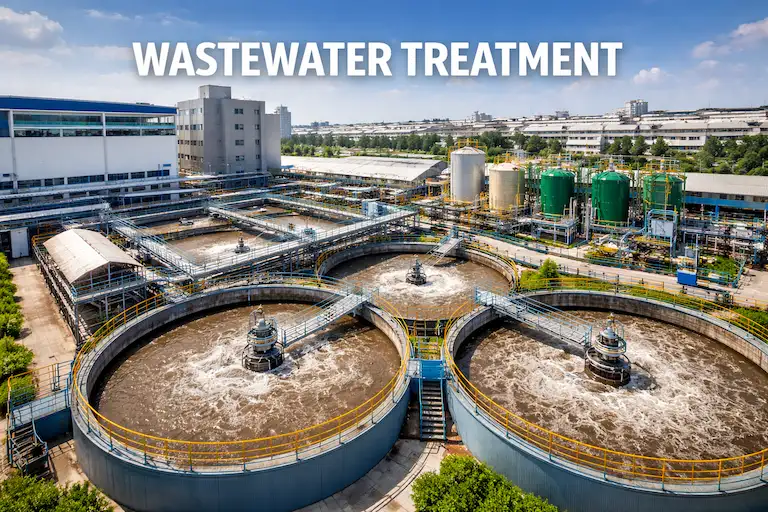
HANDBOOK ON WATER AND WASTE-WATER TREATMENT
Hand Book
In this handbook, we have tried to explain the fundamental concepts of water and wastewater treatment, and we are confident it will meet the expectations of everyone concerned with water and wastewater treatment.
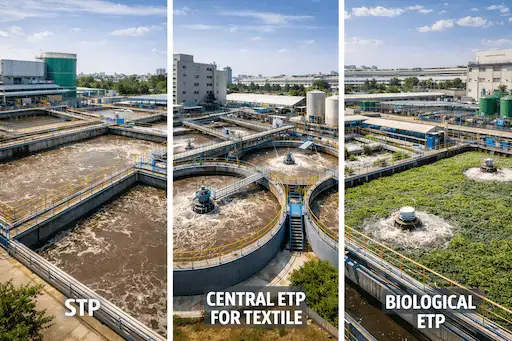
Wastewater Treatment Processes in detail
COMBATTING NEW FORMS OF WATER POLLUTION
We deliver solutions for cleaner water, wastewater treatment and reuse, and resource recovery from waste into energy and materials, supporting public health and industry needs.
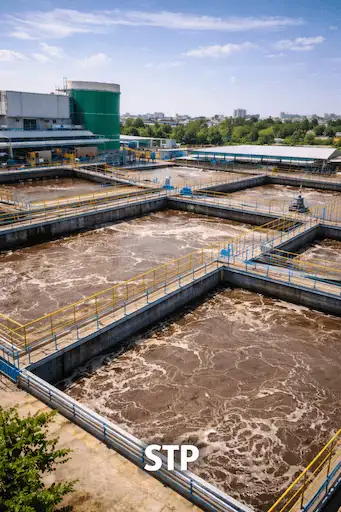
SEWAGE or STP TREATMENT
SEWAGE TREATMENT GUIDE/MANUAL
Biological sewage treatment uses microorganisms to treat polluted water and produce compact biomass. A well-designed STP must be reliable, energy-efficient, and easy to operate. This guide highlights essential tips for efficient system design and smooth operation.
WHY BIOLOGICAl TREATMENT IS REQUIRED ?
Water Chemistry Biological Treatment Methods for ETP
The biological treatment plant uses microorganisms to clean wastewater, produce biomass, and deliver reliable, efficient treatment.
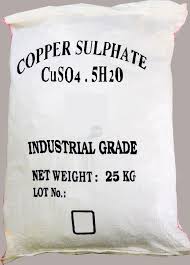
Sodium Sulphate
Industrial / Commercial Grade
Used in detergents, glass, and textile industries. Acts as a filler and processing aid with stable chemical performance.

Calcium Hypochlorite
Bleaching / Disinfection Agent
Strong oxidizer for sanitation and bleaching, used in water treatment and industrial cleaning for effective disinfection.
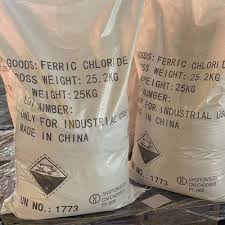
Ferric Chloride
Industrial Grade Commercial Grade
Ferric chloride for industrial and commercial use, ensuring reliable performance, consistent quality, and efficient application in water treatment and chemical processing.
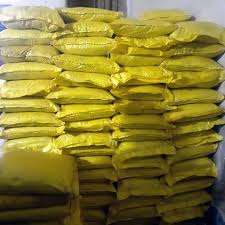
Poly Aluminium Chloride
Industrial Grade Commercial Grade
Poly aluminium chloride for water treatment and industrial use, ensuring consistent quality, reliable performance, and efficient coagulation and purification.
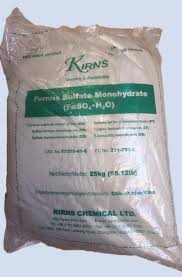
Ferrous Sulfate
Industrial Grade Commercial Grade
Ferrous sulfate for industrial and commercial use, ensuring consistent quality, reliable performance, and trusted supply for water treatment and chemical applications.
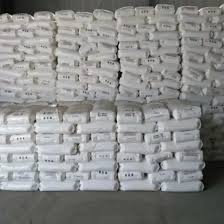
Polymer
Industrial Grade Commercial Grade
High-molecular polymer for industrial use, ensuring consistent quality, reliable performance, and effective application in water treatment and processing systems.

Decoloring Agent
Industrial Grade Commercial Grade
Decoloring agent for industrial use, ensuring consistent quality, reliable performance, and effective color removal in water treatment and manufacturing processes.
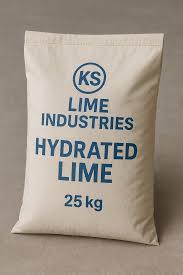
Lime
Industrial Grade Commercial Grade
Industrial and commercial-grade chemical for cleaning, water treatment, and manufacturing applications, with consistent quality and reliable performance.
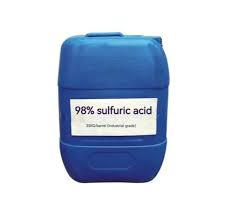
Sulphuric Acid
Industrial Grade Commercial Grade
Strong industrial acid widely used in fertilizers, metal processing, and chemical manufacturing, with high concentration and stable performance.

Hydrochloric Acid (HCL)
Industrial Grade Commercial Grade
Widely used acid for pH control, cleaning, and descaling in industrial systems, with strong reactivity and consistent quality.