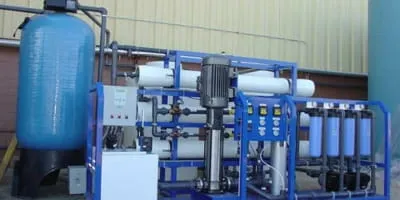
Every RO system produces two streams: purified permeate and concentrated reject water carrying the salts and contaminants the membrane removed. Permeate tends to get most of the attention because it's the product, but reject water management is just as important operationally, environmentally, and often legally, and it's frequently the part of an RO project that gets the least planning until it becomes an urgent problem. This guide covers how reject water is generated, what determines its volume and concentration, and the practical considerations for managing and disposing of it responsibly.
What Is Reject Water
Reject water, also called concentrate or brine, is the portion of feed water that does not pass through the membrane and instead carries away the dissolved salts, minerals, and other contaminants rejected during the separation process. Its composition mirrors the feed water's own chemistry, just concentrated by a factor determined by the system's recovery rate, meaning reject water quality is entirely predictable from feed water analysis and recovery rate, not something that varies unpredictably from batch to batch.
Recovery Rate and Reject Volume
Recovery rate and reject volume are directly and inversely related: a system operating at 75% recovery produces reject water equal to 25% of total feed flow, while a system at 50% recovery produces reject equal to 50% of feed flow. Facilities under pressure to reduce their environmental footprint or disposal cost often look first at increasing recovery rate to shrink reject volume, but this must be balanced against the scaling risk that comes with higher recovery, a tradeoff covered in detail in this resource center's water balance and antiscalant dosing guides.
Concentration Factor
The concentration factor describes how much more concentrated a given constituent is in reject water compared to the original feed water, and it rises directly with recovery rate: the same relationship that governs cycles of concentration in a cooling tower applies here, just within a single membrane pass rather than across repeated evaporation cycles. Understanding this concentration factor is essential for evaluating whether a specific disposal method or discharge limit can actually be met at a given recovery rate.
Regulatory Considerations
Reject water discharge is subject to environmental regulations that vary by jurisdiction and discharge method, and facilities should confirm the specific requirements that apply to their situation with the relevant local environmental authority rather than assuming a practice acceptable elsewhere is automatically compliant locally. This is a genuine compliance matter, not simply an operational preference, and should be addressed during system design and permitting rather than discovered after a system is already commissioned and operating.
Sewer Discharge
Where permitted and where local sewer infrastructure and treatment capacity can accommodate it, discharging reject water to sanitary sewer is often the simplest disposal method, though it typically requires confirming that reject water composition falls within the local sewer authority's acceptable discharge limits for parameters like total dissolved solids, pH, and specific ions. Facilities should not assume sewer discharge is automatically available or unlimited simply because a sewer connection exists on site.
Evaporation Ponds
In facilities with adequate land area and suitable climate conditions, evaporation ponds allow reject water to be disposed of through natural evaporation, leaving concentrated solids behind for periodic removal. This method requires significant land area relative to reject volume and is climate-dependent, making it more practical in some regions and site configurations than others, and any residual solids removed from the pond still require appropriate disposal.
Further Treatment and Zero Liquid Discharge
For facilities facing strict discharge limits or seeking to minimize environmental impact and disposal cost, further treatment of reject water (through additional concentration technologies, evaporators, or crystallizers) can recover additional water for reuse and reduce the volume of waste requiring final disposal, an approach often described as zero liquid discharge. This is a substantial capital investment and is typically justified only where discharge constraints, water scarcity, or facility scale make it economically sensible compared to simpler disposal methods.
Reject Water Reuse
Depending on its composition, reject water can sometimes be reused for lower-purity applications on site (cooling tower makeup, irrigation of appropriate landscaping, or certain wash-down applications), reducing both disposal volume and overall facility water consumption. Reuse suitability depends entirely on the specific reject water composition and the intended reuse application's water quality requirements, and should be evaluated by water quality analysis rather than assumed simply because reuse worked at a different facility with different feed water.
Environmental Impact
Beyond regulatory compliance, reject water disposal has a genuine environmental dimension: improperly managed concentrate discharge can affect local water bodies, soil salinity, or groundwater quality depending on the disposal method and local conditions. Facilities operating in water-stressed regions or near sensitive water bodies should weigh this environmental dimension as a genuine operational consideration, not merely a regulatory checkbox to satisfy.
Monitoring Reject Water Quality
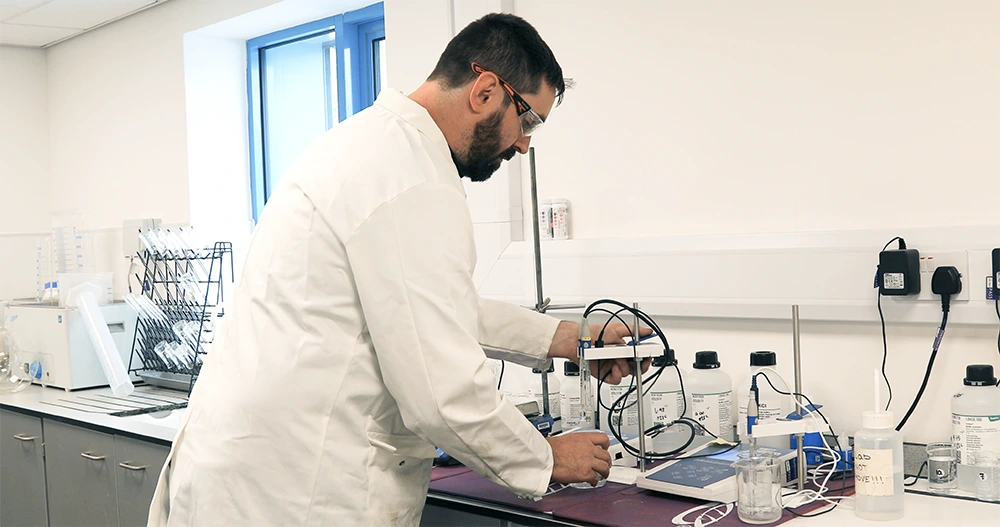
Periodic testing of reject water (conductivity, pH, and key constituents relevant to the disposal method in use) confirms that actual reject water composition continues to match what was assumed during system design and permitting. A change in feed water source or recovery rate can shift reject water composition enough to affect compliance with a discharge permit, making periodic verification a genuine operational necessity rather than a formality.
Working with Local Environmental Authorities
Because reject water discharge requirements vary by jurisdiction and can also depend on the receiving water body or sewer network's specific capacity, engaging with the relevant local environmental authority early in a project, rather than after a system is designed, allows disposal method and recovery rate targets to be set against actual, confirmed requirements rather than assumptions. In Bangladesh, this typically means understanding both national environmental compliance requirements and any additional local or industrial-zone specific conditions that may apply to a given facility's location and discharge volume, and confirming current requirements directly with the appropriate authority rather than relying on informal industry practice alone.
Facilities that build a working relationship with their local environmental authority, rather than treating compliance as a one-time permitting exercise, are typically better positioned to navigate a future change in regulation or facility expansion without disruption to ongoing operations.
Planning Reject Management During System Design
Reject water disposal should be planned during the initial system design phase, alongside membrane selection and recovery rate targets, rather than addressed only once a system is ready for commissioning. Facilities that leave this consideration until late in a project frequently find themselves constrained to a more expensive or less desirable disposal method than would have been available with earlier planning, or discover that a preferred recovery rate is not actually achievable within their permitted discharge limits.
A Practical Concentration Example
Consider a system fed with water at 500 mg/L total dissolved solids, operating at 75% recovery. Since 75% of the feed becomes permeate carrying only a small fraction of the original dissolved solids, the remaining 25% reject stream must carry nearly all of the salt load rejected from the full feed volume, resulting in reject water TDS several times higher than the feed water, even though the exact multiple depends on the membrane's specific rejection performance and should be calculated from actual system data rather than assumed. This is why a seemingly modest feed water TDS can still produce a reject stream concentrated enough to trigger a specific discharge permit category or disposal requirement, and why concentration factor should always be calculated explicitly for a given recovery rate rather than estimated by intuition.
Reject Water and Multi-Stage Array Design
In multi-stage RO arrays, reject water from the first stage becomes feed water to the second stage, meaning the concentration factor compounds progressively through each subsequent stage rather than being determined by a single overall calculation. This staged concentration is precisely why overall system recovery rate has a scaling-risk relationship that isn't linear: pushing recovery higher in a later stage means operating against feed water that is already significantly more concentrated than the original raw feed, which is one of the reasons antiscalant dosing and membrane selection often differ between stages of the same array.
Cost Considerations
Reject water disposal cost is not limited to the direct cost of the disposal method itself: it also includes any pretreatment or characterization testing required to confirm compliance, permitting and reporting obligations, and the opportunity cost of feed water and chemical consumed to produce that reject volume in the first place. Facilities evaluating whether to invest in a higher-recovery design, further treatment, or a different disposal method should weigh the full cost picture across all of these factors, not just the headline disposal fee, since a cheaper disposal method with expensive compliance testing requirements may not actually be the lower total-cost option.
Common Mistakes
- Assuming sewer discharge is available and unlimited without confirming actual local sewer authority limits.
- Increasing recovery rate to reduce reject volume without reassessing scaling risk at the new concentration factor.
- Leaving reject water disposal planning until after the RO system is already designed or commissioned.
- Assuming reject water reuse is suitable for a new application without testing its actual composition first.
- Failing to retest reject water composition after a feed water source or recovery rate change.
Maintenance Checklist
- Confirm current reject water disposal method remains compliant with applicable local regulations.
- Test reject water composition periodically against permit or reuse requirements.
- Review recovery rate and reject volume relationship whenever feed water source changes.
- Inspect evaporation pond or further-treatment equipment according to its own maintenance schedule, if applicable.
- Document all reject water testing and disposal records for compliance and troubleshooting purposes.
Documentation and Recordkeeping
Maintaining dated records of reject water testing results, disposal volumes, recovery rate at the time of each test, and any permit correspondence provides the evidence base needed to demonstrate compliance if requirements are ever reviewed or a discharge is questioned. A facility with a genuinely compliant disposal practice but no documentation trail is in a materially weaker position than one with equivalent practice and clear records, since demonstrating consistent compliance over time is often as important as the underlying water chemistry itself.
Conclusion
Reject water is not a byproduct that can be assumed away: its volume, composition, and disposal method are directly determined by feed water quality and recovery rate, and planning for it early avoids costly constraints later. Facilities that treat reject water management with the same rigor as permeate water quality consistently avoid the compliance surprises and disposal cost overruns that catch less prepared operations off guard.
Call to Action
Carbolabs Corporation's technical team can help you evaluate your reject water disposal options and confirm your recovery rate is aligned with your discharge requirements. Contact our engineers for a reject water management review.